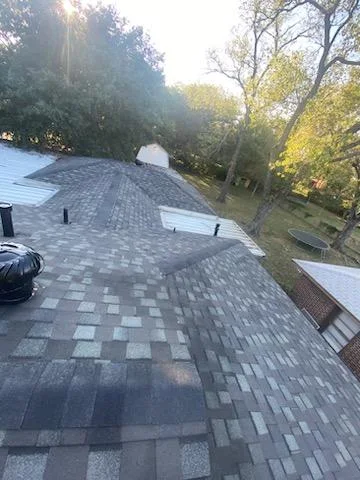
The Homeowners Guide to Gutter Guards and Whether They Are Worth It
Gutter guards get sold hard every August, right as North Texas homeowners start thinking about the leaf drop coming in October and November. The pitch sounds simple. Cover the gutter, block the debris, never climb a ladder again. Reality is more nuanced than that, and the answer depends on your roof, your trees, your gutter size, and the quality of the product going on your home. Some guards genuinely cut cleaning from four visits a year down to one quick check. Others trap debris on top, starve your downspouts, and create a mess that costs more to fix than it ever saved. The difference comes down to design, installation, and honest expectations. Understanding how each style works before you spend money is the single best way to protect your roofline, your fascia, and your foundation.
How Gutter Guards Work and What Types Are Available for Texas Homes
Every gutter guard does the same basic job in a different way. The goal is to let rainwater into the trough while keeping leaves, twigs, seed pods, shingle granules, and nesting material out. Design choices control how well that works during a heavy Texas downpour, when two inches of rain per hour is not unusual. Openings that are too large let debris through. Openings that are too small can shed water right over the edge if the surface loads up with grit or pollen. Material matters just as much, since aluminum, stainless steel, plastic, and foam all age differently under Texas UV exposure and hail. Knowing the four main categories helps you compare quotes without getting lost in brand names.
Micro Mesh Gutter Guards and How They Handle Fine Debris
Micro mesh gutter guards use a fine stainless steel screen bonded to an aluminum or steel frame that sits over the gutter opening. The mesh openings are measured in microns rather than inches, which is small enough to stop pine needles, oak catkins, elm seeds, roof shingle granules, and most windblown grit. Water passes through by adhesion and gravity, then the debris either dries out and blows off or washes down the roof slope past the guard. This is the style most professional roofing and gutter contractors install, and it is the style most likely to earn a manufacturer warranty. Frames typically pitch slightly forward so the surface sheds rather than collects. Quality varies enormously in this category, and the cheap versions sold in big box stores use plastic frames that warp and pull loose within a few Texas summers. A well built micro mesh system uses a rigid metal frame, a surgical grade stainless screen, and a mounting method that does not disturb your shingles.
Performance depends heavily on roof pitch and the condition of your shingles. On a steeper roof, water and debris move fast, so the mesh stays clear with almost no help. On a low slope roof, water slows down before it reaches the edge, and fine material tends to settle and stay there. Homes with aging composition shingles also send a steady stream of granules into the gutter, and those granules can form a paste on top of micro mesh if the surface never gets a rinse. That does not mean the product fails. It means the guard shifts your maintenance from digging sludge out of the trough to spraying off a screen from the ground with a hose or an extension wand. Most homeowners consider that a fair trade, since the ladder work disappears and the gutter interior stays clean. If your shingles are shedding granules heavily, a roof evaluation should come before any gutter investment.
Installation method is where micro mesh systems succeed or fail on a Texas home. Some installers slide the back edge of the guard under the first course of shingles, which is fast and cheap but risks lifting the shingle, breaking the sealant strip, and voiding portions of your roofing warranty. A better approach fastens the guard to the front lip and to the hanger system or fascia so the roof covering is never disturbed. Guards also need to be cut and sealed correctly at valleys, where concentrated water volume can overshoot even a good screen. Inside and outside corners require clean joins so gaps do not become entry points for wasps and rodents. Expect a professional micro mesh installation to run roughly 8 to 20 dollars per linear foot depending on the product and access difficulty, with most Metroplex homes carrying 150 to 220 feet of gutter. Ready to protect your gutters before fall leaf drop? Click here for our gutter services.
Reverse Curve Gutter Guards and Surface Tension Water Flow
Reverse curve gutter guards, sometimes called surface tension or helmet style guards, work on a completely different principle. Instead of filtering water through a screen, they use a solid curved nose that water clings to as it rounds the bend, then drops into a narrow slot at the front of the gutter. Leaves and larger debris carry too much momentum to follow that curve, so they fly past and land in the yard. When the design is sized correctly and the roof pitch cooperates, the effect is impressive and the gutter stays remarkably clean. These systems were among the first covers on the market and many are still performing decades later. The solid top also blocks sunlight, which discourages the seed sprouting and moss growth that show up in shaded, damp gutter runs. Aluminum construction gives them decent durability against normal weather.
The weakness shows up during the intense rainfall events common to Tarrant and Denton counties. Surface tension has a limit, and when rain comes down hard and fast, water can overshoot the nose entirely and sheet past the gutter onto the landscaping below. Roofs with steep pitches and long runs accelerate water enough to make this worse. The narrow front slot can also admit shingle granules, pine needles, and small seeds, and once that material builds up inside there is no way to see it without removing the cover. Cleaning a reverse curve system usually means uninstalling sections, which is not a job most homeowners want to take on. Hail is another consideration, since a dented nose changes the curve geometry and can disrupt the flow path permanently. In a region that averages several damaging hail events per year, that risk deserves weight.
Reverse curve guards also change the look of your roofline more than any other option. Because the cover extends up onto the roof surface, it is visible from the ground on many homes and can read as a thick band along the eave. Some homeowners do not mind. Others regret it immediately, especially on homes with dark shingles and light trim. Installation quality matters just as much here as with mesh, because a cover pitched slightly wrong will either dump water or admit debris. Any system that requires sliding hardware under your shingle course should be reviewed against your roofing manufacturer warranty terms first. If you have a newer roof and want to preserve full coverage, ask your contractor to document the attachment method in writing before work begins.
Foam and Brush Gutter Guards for Budget Minded Homeowners
Foam gutter guards are triangular inserts, usually polyurethane, that wedge directly into the gutter trough. Water filters down through the open cell structure while leaves rest on top. The appeal is obvious. They cost a few dollars per foot, require no fasteners, and a homeowner can install a run in an afternoon. On a home with light debris and short gutter runs, they can buy a couple of easier seasons. That is roughly where the advantages end. Texas sun degrades most foam within two to four years, causing the material to crumble, discolor, and shrink away from the gutter walls.
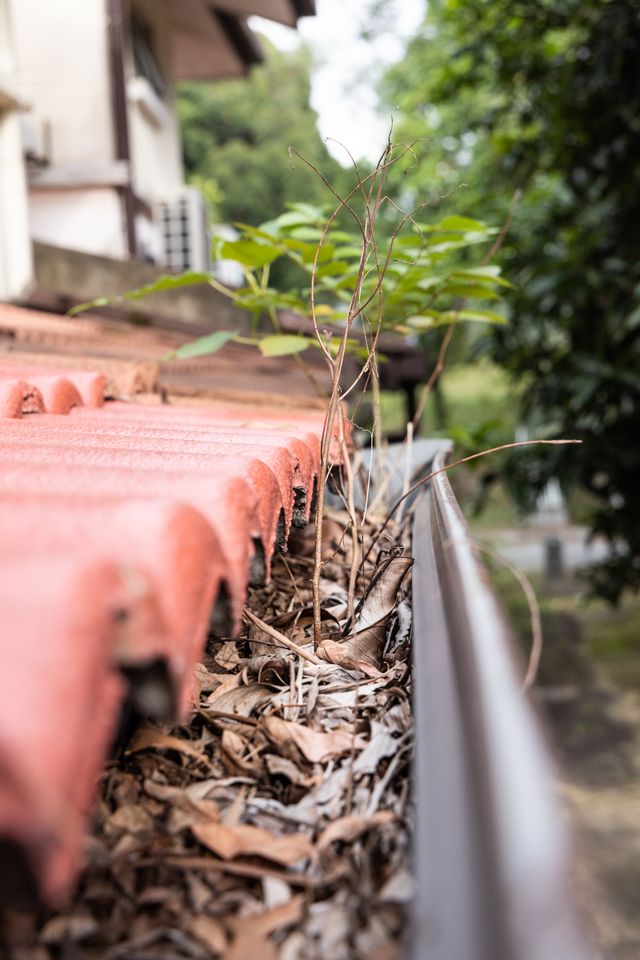
The bigger problem is that foam collects what it filters. Fine grit, pollen, and decomposed leaf matter settle into the pores and eventually form a dense mat that water cannot pass through. Once that happens, rain sheets over the front of the gutter and the trough underneath stays bone dry while your fascia takes the runoff. Seeds that land on damp foam sprout readily, and it is not unusual to find small trees growing along a rooflines in older neighborhoods around Hurst, Euless, and Bedford. Removing saturated foam is unpleasant work, and the debris underneath is usually worse than it would have been with no cover at all. Foam also traps moisture against the gutter interior, which shortens the life of the sealant at every seam and end cap.
Brush guards follow the same idea with a different material, essentially a large bottle brush laid inside the gutter. Bristles hold leaves above the water channel while rain flows underneath. They install just as easily and cost about the same, and they hold up to sunlight better than foam does. Unfortunately the bristles are excellent at catching exactly the debris you want gone. Pine needles, elm seeds, and small twigs weave into the brush and stay there, so cleaning means pulling every section out, shaking it clean, and reinstalling. For a rental property or a short term fix, foam and brush have a place. For a home you plan to keep, spending the money once on a metal system with a real warranty produces better results and less frustration.
Are Gutter Guards Worth It for North Texas Homeowners
Value depends entirely on what problem you are solving. Gutter guards do not pay for themselves through cleaning savings alone on a small, treeless lot. They pay for themselves by preventing the water intrusion, wood rot, and foundation movement that clogged gutters cause over time. In North Texas, that second category carries real weight because of our expansive clay soils and our habit of getting six months of drought followed by five inches of rain in a weekend. Repair costs on rotted fascia, damaged soffit, stained siding, or a shifting slab dwarf the price of a quality guard system. The honest answer is that guards are worth it for most homes with mature trees and worth considering for many that do not have them. Getting the decision right starts with looking at your specific property instead of a generic sales sheet.
Gutter Guards Worth the Cost for Homes Under Heavy Tree Cover
Tree cover is the single strongest predictor of gutter guard value. A home shaded by post oak, cedar elm, pecan, or bur oak will fill its gutters several times a year without help. Cedar elm drops small leaves and seeds that pack into a dense mat, and pecan trees contribute catkins in spring plus leaves and hulls in fall. Live oaks confuse people because they are evergreen, yet they shed heavily in February and March right as spring storm season arrives. That means a shaded Metroplex home is fighting debris in both spring and fall rather than during one predictable window. Cleaning four times a year at 150 to 300 dollars per visit adds up quickly, and a guard system that reduces that to a single inspection recovers its cost in a handful of years. Add the value of never balancing on a ladder at the corner of a two story home and the math improves further.
The kind of debris matters as much as the amount. Large leaves are actually easy to manage, since almost any screen will block them and wind clears them off. Small material is the challenge, and that is where product selection decides the outcome. Micro mesh handles fine debris well because the openings are smaller than the particles trying to get through. Wide screen and slotted covers do not, and homeowners under pines or elms who install cheap screens usually end up cleaning both the top of the guard and the inside of the gutter. If your roof is surrounded by fine dropping species, spend the extra money on the tighter mesh. If your trees drop mostly broad leaves and you have good roof pitch, a mid range screen may serve you fine.
Gutter capacity plays a supporting role that most sales conversations skip entirely. Standard residential systems use 5 inch K style gutters with 2 by 3 inch downspouts, and that sizing is marginal for large roof planes during heavy rain. Upgrading to 6 inch gutters with 3 by 4 inch downspouts increases volume substantially and gives any guard system a better chance of keeping up. Downspout placement matters too, since a run over 35 to 40 feet with a single outlet will pond in the middle and overflow no matter what covers the top. Before adding guards to an undersized system, have the whole configuration evaluated. Guarding a gutter that was always going to overflow just hides the real problem behind a nice looking screen.

How Gutter Guards Protect Fascia, Soffit, and Foundation
Clogged gutters cause damage in a predictable sequence, and each stage costs more than the one before it. Water backs up in the trough, sits against the back wall, and works its way behind the gutter onto the fascia board. Fascia on most homes in this area is wood, and wood that stays wet through a rainy spring will soften, then rot, then release the gutter hangers holding everything up. From there water gets into the soffit and the roof deck edge, where it can reach rafter tails and the first few inches of decking. Repairs at that point involve carpentry, roofing, and painting rather than a simple cleaning. Guards interrupt the sequence at the beginning by keeping the trough clear enough to drain.
The foundation risk is specific to our soil and deserves more attention than it usually gets. Much of Tarrant, Denton, and Dallas county sits on expansive clay that swells when wet and shrinks when dry. Overflowing gutters dump concentrated water at the corners of the slab, saturating the clay in one spot while the rest of the perimeter stays dry during a hot August. That uneven moisture is a leading contributor to differential settlement, which shows up as sticking doors, cracked drywall at corners, and separation at brick joints. Foundation repair in this market frequently runs into five figures, so any system that keeps roof runoff moving away from the slab is doing serious protective work. Pair guards with downspout extensions that discharge at least four to six feet from the house for the best result.
Water is not the only thing gutters collect. A packed gutter is an ideal nesting site for wasps, birds, squirrels, and rodents looking for a way into the attic through a soffit gap. Standing water in a clogged trough also breeds mosquitoes, which need only a few days and a small amount of stagnant water to complete a cycle. Wet debris sitting against the roof edge accelerates deterioration of the shingle starter course and any exposed underlayment. Guards reduce all of these problems at once by removing the habitat and the standing water. Wondering if your roof edge is already showing damage? Click here for our roofing services and we will take a look while we are on site.
When Gutter Guards Are Not Worth It and What to Do Instead
There are homes where guards are a poor investment, and a reputable contractor will tell you so. A single story house on an open lot with no overhanging trees may collect almost nothing beyond dust and a few shingle granules. In that situation, an annual flush costs far less than a full guard installation and accomplishes the same thing. Homes with severely undersized or improperly pitched gutters are another case, because covering a system that cannot drain simply relocates the failure. Gutters with rusted seams, failed sealant, or sagging hangers need repair or replacement first. Installing guards over compromised gutters wastes money twice, since removal is required to fix what is underneath.
Roof age is the other factor that should pause a guard purchase. If your composition shingles are 15 years or older, or if a recent hail event left bruising and granule loss, a roof replacement may be coming sooner than you think. Most roofing work requires removing gutter covers along the eave, and reinstalling them adds cost and risks damage to the panels. Sequencing the work correctly saves real money. Replace the roof, then the gutters, then add the guards, and everything gets warrantied together with clean transitions and no compromised fasteners. A quick inspection tells you which situation you are in.
For homeowners who decide against guards, a maintenance plan is the sensible alternative. Two cleanings a year works for most properties in this region, one in late spring after live oak shed and one in late fall after the last leaves come down. Add a third visit after any major wind event that strips branches into the gutters. During each cleaning, the technician should flush the downspouts, check the pitch toward the outlets, verify hanger spacing at 24 to 36 inches, and inspect the fascia for early softening. Documenting that work protects you during an insurance claim if a storm causes damage later. Skipping maintenance entirely is the only choice that reliably costs money.
Why You Need a Professional Gutter Guard Assessment Before Fall
Fall debris season in North Texas starts in late October and runs through December, and the best time to address gutters is before the first heavy leaf drop combines with a storm front. Scheduling now means your system is ready when it matters instead of overflowing while you wait for an opening on a contractor calendar. A professional assessment covers more than the guard itself, since gutter performance depends on capacity, pitch, hanger condition, downspout placement, and the health of the roof edge feeding it. That whole picture is what determines results. Getting it evaluated costs nothing and takes about an hour.
Professional Gutter Guard Installation Prevents Costly Water Damage
A professional installation starts with cleaning and inspecting the existing gutters rather than covering whatever is already inside. Debris left in the trough under a new guard will rot, hold moisture, and shorten the life of the system you just paid for. Seams get checked and resealed, loose hangers get replaced, and pitch gets corrected so water actually reaches the downspouts. Only then does the guard go on. That sequence is the difference between a system that works for 20 years and one that disappoints in two.
Attachment method deserves specific attention on any home with an active roofing warranty. Guards fastened under the first shingle course can break the factory sealant bond and create a lifted edge that wind can catch. A professional crew uses hanger mounted or fascia mounted attachment that leaves your roof covering untouched. Valleys, corners, and end caps get detailed so debris has no path around the guard. These details are invisible from the ground and they decide how the system performs.
Warranty coverage is the last piece worth reviewing carefully. Many guard products advertise a no clog guarantee, and the terms vary widely on what qualifies and who performs any required service. Ask what the manufacturer covers, what the installer covers, and how long each lasts. TM Roofing and Construction Group backs installations with lifetime manufacturer warranties on qualifying products and a 10 year workmanship guarantee, so the labor stands behind the material. Get every promise in writing before work starts.

Gutter Guard Installation Paired With a Roof and Fascia Inspection
Gutters and roofs fail together, so inspecting them together saves time and money. While a crew is at the eave installing guards, they have direct access to the drip edge, the starter course, the fascia board, and the soffit vents. Soft wood, missing drip edge, or lifted shingles at the edge are easy to spot from that position and much harder to catch from the ground. Finding those issues before the guard goes on means fixing them once instead of removing panels later. Small repairs at this stage are inexpensive.
North Texas hail leaves marks that homeowners frequently miss, particularly on the roof slopes away from the street. Granule loss, soft spots in the mat, dented vents, and bruised ridge caps all point to damage that an insurance policy may cover. Storm claims have deadlines, and evidence gets harder to document as time passes. An inspection during a gutter visit gives you a clear record of roof condition either way.
Fascia and soffit damage often signals a siding problem as well, since water traveling down behind a gutter rarely stops at the wood trim. Stained, swollen, or separating siding near the roofline usually means the moisture has been there a while. Addressing the source and the surface at the same time prevents repeat repairs. Seeing damage on your fascia, soffit, or siding? Click here for our siding services and we will evaluate the full exterior.
Why Choose TM Roofing and Construction Group for Gutter Guards and Roofing
TM Roofing and Construction Group is locally owned and operated out of Bedford, and we work throughout the Metroplex including Colleyville, Southlake, Grapevine, Keller, Hurst, Euless, Irving, Lewisville, Flower Mound, and Arlington. We treat your home the way we treat our own, which means we tell you when guards make sense and when they do not. Our reputation is built on more than 600 Facebook reviews and BBB accreditation, and we intend to keep it. Free estimates come with no pressure and no scripted sales presentation. You get a clear assessment and a straight recommendation.
Insurance claims are a large part of what we do, and our team knows how to document storm damage properly for adjusters. We are available 24 hours a day for emergency response when a storm opens up your roof or tears loose a gutter run. Flexible financing is available for larger projects so a necessary repair does not have to wait. We also contribute 500 dollars toward your deductible on qualifying insurance work. That combination keeps quality work within reach for most households.
Every installation is backed by lifetime manufacturer warranties on eligible materials and our 10 year workmanship guarantee. We install the gutters, we install the guards, and we handle the roof above them, so responsibility never gets passed between trades. Ready to find out if gutter guards make sense for your home before fall arrives? Click here for our gutter services or call us at (817) 820-9596 for a free estimate, and our team will evaluate your gutters, guards, and roofline in one visit.